
The best speakers don´t just inspire they move your organization forward.
Every organization has hosted a speaker who delivered a solid presentation. Yet, days later, no one’s talking about it. It didn’t spark dialogue. It didn’t connect to the culture. It didn’t stick.
The truth is: bringing in a speaker isn’t the same as creating impact. In today’s workplace, where attention is scarce and how employees spend their time matters, you need more than a compelling keynote. You need resonance, relevance, repeat value.
If you’re spending real dollars on guest speakers, let’s make sure those investments create lasting momentum.
Why it matters
- Employees want speaker events to feel purposeful, not performative. While 70% say their sense of purpose is shaped by their work, only 15% of frontline staff feel purpose is reflected in their daily experience.
- Retention and culture are linked to learning. Opportunities to grow, be seen, and connect meaningfully are core drivers of employee satisfaction and long-term retention.
- Leaders are looking for more than inspiration. They want practical frameworks, real-world application, and stories challenging the way they think.
Avoiding common pitfalls
- The “drop-in” effect: A speaker delivers an isolated talk with no tie-in to ongoing goals, strategies, or values.
- No follow-through: The energy dies after the session, with no structured next step or way to activate the message.
- Mismatch of tone or audience: The speaker’s content doesn’t meet people where they are—either too abstract or too narrow.
8 strategies for talks that resonate now and later
- Design with transformation in mind, not just attendance.
Think beyond filling a calendar slot. Design speaker events around desired change. What mindsets need shifting? What behaviors should this session influence? Align speaker goals with business goals to create resonance beyond the session itself.
- Pair a speaker with a problem your teams are actively facing.
Rather than choosing a speaker by topic alone, ask: What challenge are we solving right now?
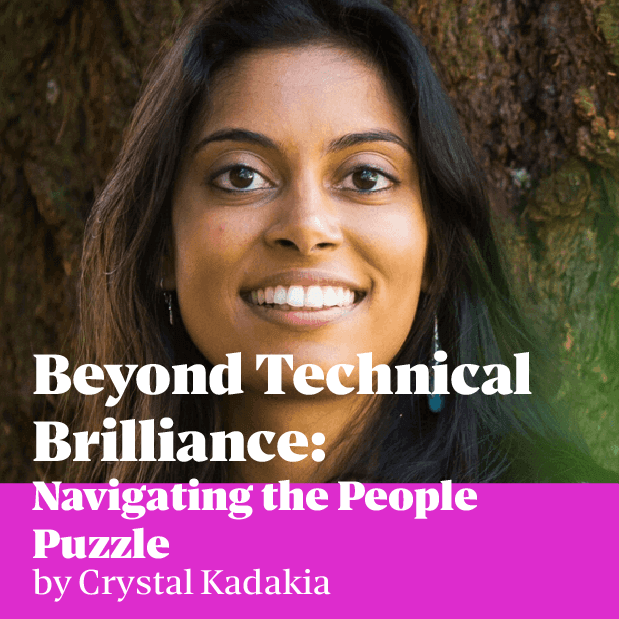
Consider inviting Crystal Kadakia to help teams reframe technical workplace conflict through her session, “Beyond Technical Brilliance: Navigating the People Puzzle.”
- Create a post-session learning loop.
One-off sessions often fall flat because they stop at inspiration. Build in reflection and reinforcement. Distribute a short team discussion guide, ask managers to open a meeting with one key insight, or pair departments for cross-functional takeaways.
- Use pre-engagement to drive anticipation and alignment.
Send out a 3-minute teaser video, a pre-read, or one framing question in advance to give employees a sense of why the session matters. Even a simple, well-placed prompt primes people to show up ready to engage.
- Make space for emotional connection.
Audiences remember what moved them, not just what informed them.
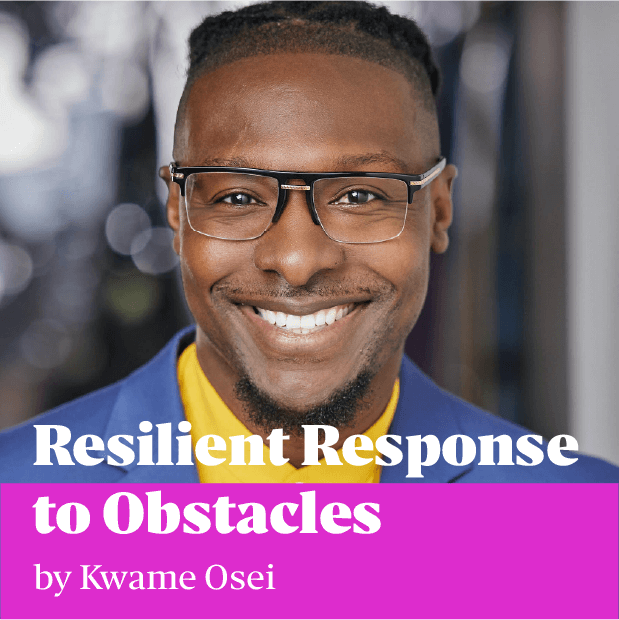
Consider Kwame Osei’s “Resilient Response to Obstacles” to ignite a shared emotional experience around perseverance and purpose.
- Tie speakers into broader initiatives or L&D goals.
Make speakers part of a campaign, not a one-off. For example: a quarterly speaker series on inclusive leadership or an annual theme on culture transformation. Aligning speakers with organizational arcs ensures stronger cultural lift.
- Choose speakers who help surface unspoken truths.
Some of the most powerful sessions are the ones that say what others won’t or can’t.

Elaine Lin Hering’s “Unlearning Silence” helps leaders and teams name the silence that holds organizations back and build a culture where speaking up becomes the norm.
- Invite speakers who expand leadership definitions.
Leadership today is personal, contextual, and fluid. Offer sessions helping people see themselves as leaders, regardless of title.

Tanya Rapley’s “Leaders Aren’t Born Nor Made; They Are Found” supports employees in discovering and embodying their own leadership style.