Culture isn’t what you say it is. It’s what people see, hear, feel, repeat.
From an onboarding slide deck to a TikTok video, from the CEO’s town hall to the art on your walls—media shapes culture. Your media is your message. The most aligned cultures shape both with precision and purpose.
Leaders often underestimate how much internal media (words, sounds, visuals, interfaces, even the vibe of a Zoom room) impacts alignment. When media is intentional, messaging becomes more than communication. It becomes culture.
Why it matters
- Culture without clarity is chaos. Without strong internal storytelling, even the best strategies feel disjointed. Media builds shared understanding across functions, levels, and geographies.
- Optics are ethics. People judge values by what’s visible — and what’s missing. Design, tone, and delivery all send signals, whether intended or not.
- Employees are your first audience. If your messaging doesn’t resonate inside, it won’t land outside. Internal alignment is the foundation of external credibility.
What leading organizations are doing
1. Using storytelling to unify and humanize. When leaders use stories to model success, celebrate wins, and link actions to values, employees align faster. Whether it’s a short video, a recurring message, or a visual campaign—messaging and consistency drive culture more effectively than any policy ever will.
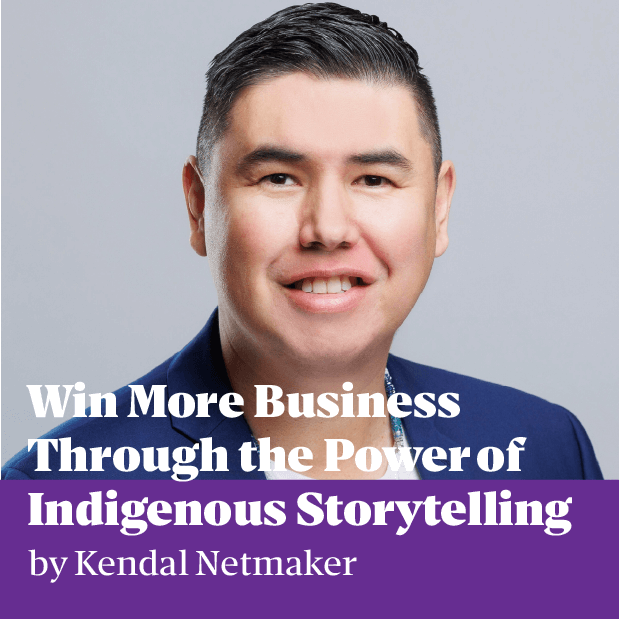
Explore: Win More Business Through the Power of Indigenous Storytelling with Kendal Netmaker. Learn how to use narrative to connect across roles and identities — and build cultural cohesion from the inside out.
2. Mastering the medium. It’s not just what you say. It’s how you say it on camera, on stage, or in a Slack message. Knowing how to use visual and audio elements with intention transforms company updates into alignment moments.
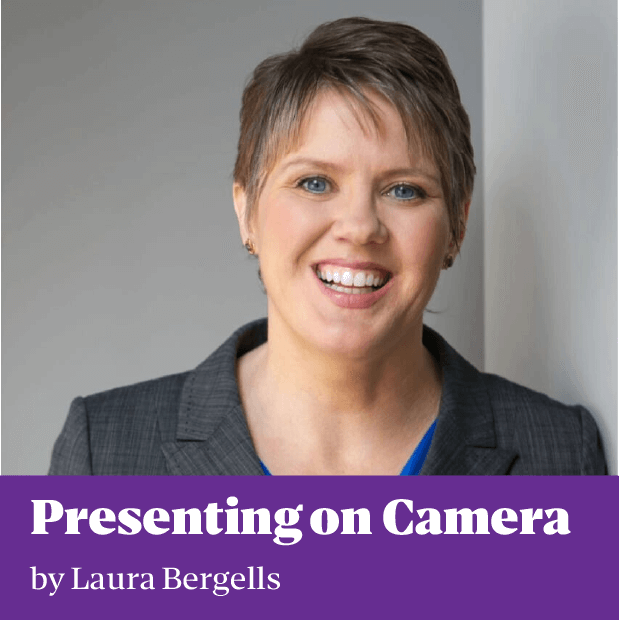
Explore: Presenting on Camera with Laura Bergells. Learn the mechanics behind compelling digital delivery that informs and inspires your people.
3. Tapping the arts to inspire action. Poetry, performance, and creative writing aren’t just for artists. They unlock voice, invite reflection, and build connection. Bringing the arts into workplace comms can reshape how employees think about identity, belonging, and vision.
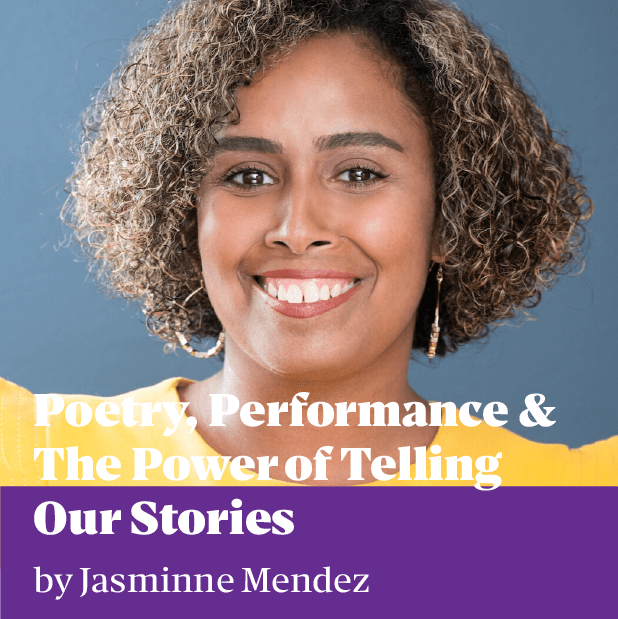
Explore: Poetry, Performance & The Power of Telling Our Stories with Jasminne Mendez. Help your teams craft language that reflects who they are and who you’re becoming, together.
4.Creating sensory consistency.From the fonts in a slide deck to the scent in a lobby, every sensory detail cues employees on what your company values. When visuals, sounds, and spaces align with your message, they create a cohesive experience that builds trust, clarity, and cultural stickiness.
5.Designing media for interaction, not just consumption.Great culture isn’t broadcast — it’s co-created. Invite feedback. Use media formats (like video polls, live podcasts, async forums) that encourage participation. Interactive comms build buy-in and agility.