Juneteenth is a moment of recognition and a reminder of responsibility.
June 19th represents a critical point in American history: the freedom of enslaved Black Americans. But what makes this day meaningful isn’t the celebration alone. It’s also what we do with its lessons after the holiday ends.
Too often, Juneteenth gets treated as the finish line. In reality, it’s the starting point. The goal isn’t a better event next year—it’s a better workplace tomorrow, and every day after that.
Why this matters for business
- Culture is built in the quiet moments. What you do between Juneteenths defines how inclusion shows up in your organization.
- Trust drives performance. Employees who feel seen and valued contribute more fully and stay longer.
- History shapes systems. Understanding how we got here helps organizations build structures that don’t repeat inequity.
What leading organizations are doing
1. Centering history to inform the present. Understanding racial inequality requires understanding its roots. Dr. Blair Kelley’s session, Race and American History: How Did We Get Here?, offers a historical lens for leaders ready to lead with deeper awareness, and ultimately, action.

2. Treating Juneteenth as a beginning, not a conclusion. Juneteenth can anchor your year-round belonging goals. Janet Stovall’s talk, Breathing Life into Juneteenth, explores how acknowledgment, amplification, and action can turn symbolic moments into structural change.

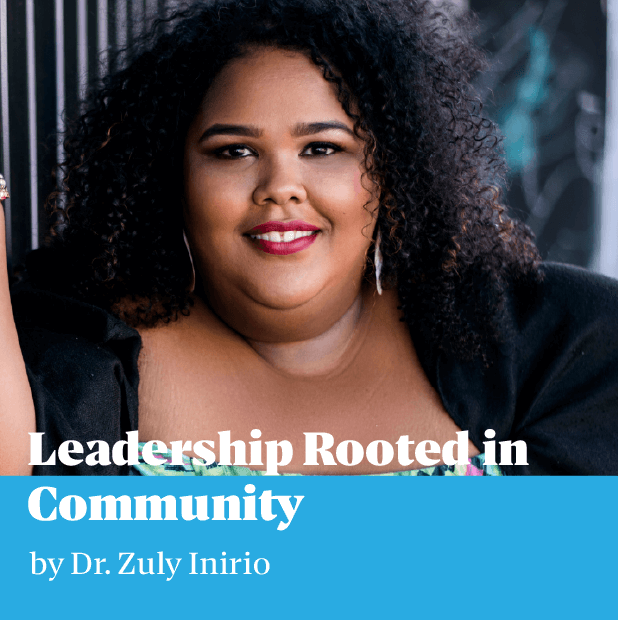
3. Building leadership from the inside out. Change isn’t just top-down; change is relational. Dr. Zuly Inirio’s Leadership Rooted in Community offers a strengths-based, empathy-led approach to leading teams where inclusion isn’t a mandate, but a shared practice.
4.Evaluating systems, not just stories.Make Juneteenth a time for internal audits. Are you measuring pay gaps, and are they narrowing? Are advancement opportunities equitable? Are your Black employees thriving, or just surviving?
5.Funding and supporting Black communities year-round.Sponsorships, partnerships, and procurement programs should reflect the values Juneteenth represents. Budget accordingly.