
In every industry, there are those who break the mold. The first Latina fighter pilot. The first Black woman to lead a VC firm. The first voice to speak up when silence is safer. These trailblazers matter, but true progress means building systems to support the first, second, third, and the many who come after.
When leaders and organizations celebrate barrier-breakers without changing the structures that made those barriers possible, they risk turning bold firsts into one-time exceptions. The next step? Turn inspiration into infrastructure.
From breakthrough to Blueprint: How leading organizations build on momentum
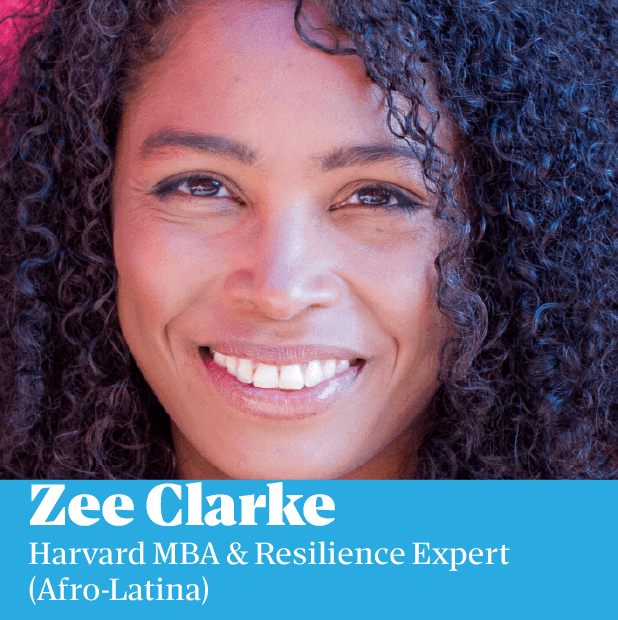
- Support the whole person, not just the performer. Resilience isn’t about pushing harder, but knowing when to pause, breathe, and reset. In Breathing in Resilience, Zee Clarke offers tools rooted in mindfulness and breathwork to help high performers navigate pressure while protecting well-being.
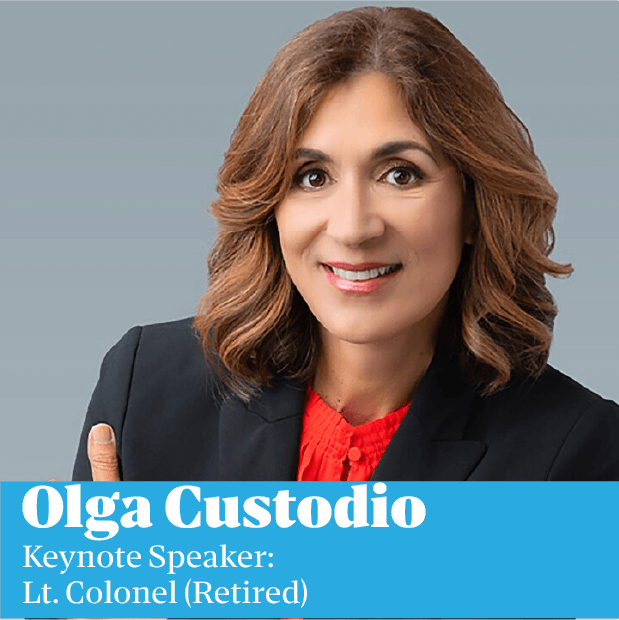
- Make legacy scalable. Olga Custodio didn’t just fly planes—she flew past expectations. As the first Latina fighter pilot and commercial airline captain, her story shows how visibility changes the game. Her story marks the beginning of a larger movement to design pipelines ensuring she’s not the only one.
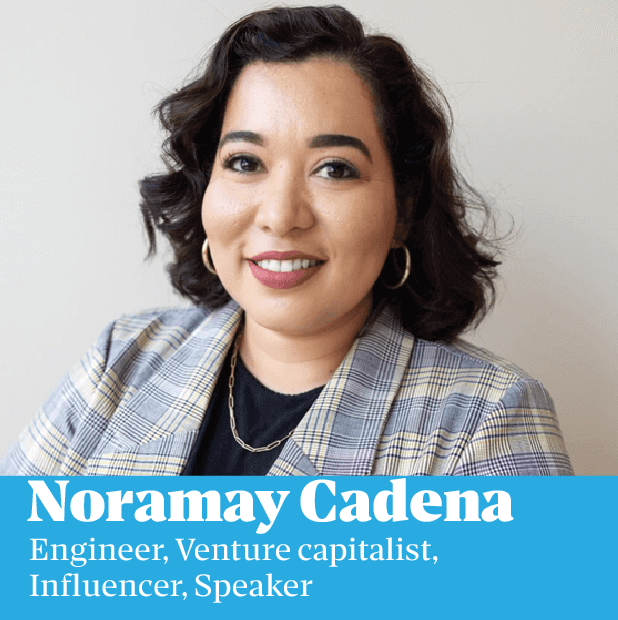
- Invest in potential before the credentials. Noramay Cadena’s path from teen mom to triple MIT grad to venture capitalist underscores how talent isn’t always visible through traditional lenses. By backing people early and often, she has helped spark bold ideas, generate fresh outcomes, and elevate leaders who might’ve otherwise been overlooked.
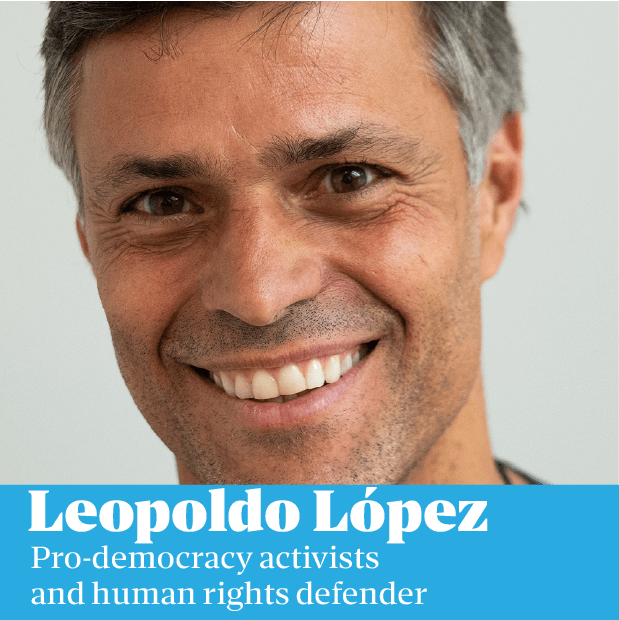
- Lead through conviction, not convenience. Leopoldo López knows what it means to challenge systems, even when it costs everything. In Leading in the Face of Adversity, he reframes risk as part of leadership, not a deviation from it. Progress doesn’t happen without discomfort.
Design tactics for leaders to rethink the default
- Build programs to outlast individuals. Don’t let the departure of a “first” set you back. Institutionalize mentorship, support networks, and visibility.
- Design leadership models around impact, not image. The next wave of leaders won’t all look or sound the same, and they shouldn’t have to. Build criteria recognizing the ability to navigate complexity, inspire trust, and drive outcomes, even if the path there looks different.
- Fund access and development. Don’t just open the door; walk people through it. Support advancement with stipends, sponsorship, and built-in career development to reflect the pace and pressure of real leadership work.
- Track who gets supported through setbacks. Equity is more than first chances: it’s about who’s coached, retained, and re-invested in when things get hard.
Defining your legacy
-
Breaking barriers opens the door. What happens next defines the legacy.
It’s not about who came first. It’s about whether systems evolved so they wouldn’t be the last.
Meet the speakers and programs turning singular achievements into structural change.