
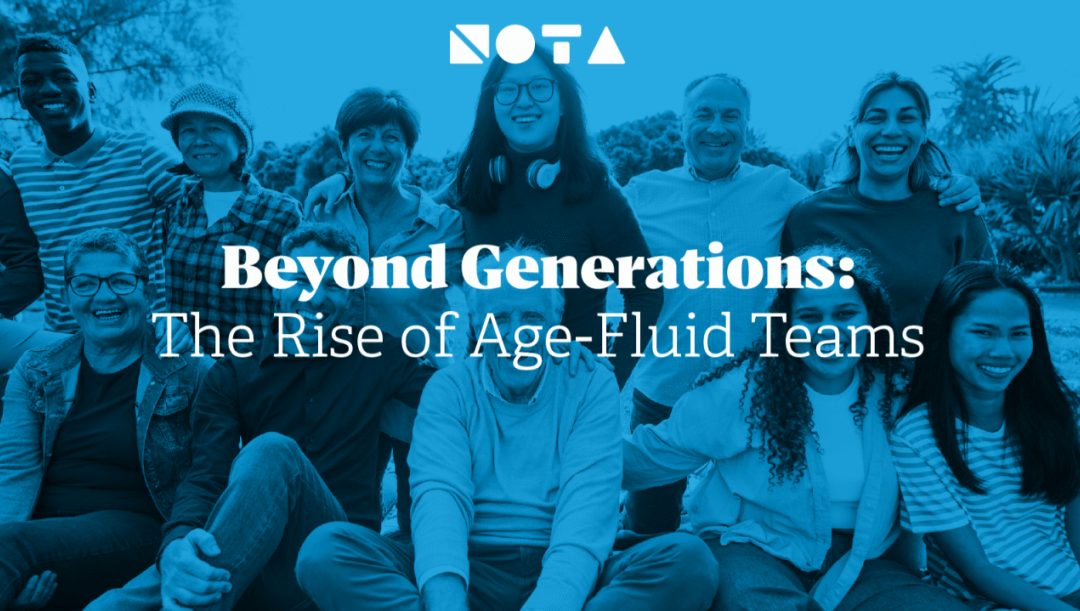
Companies and institutions are experiencing a critical shift in how teams form, collaborate, and execute. Generational categories like Gen X and Millennials once served as helpful markers for understanding workplace expectations. Today, those labels feel too narrow and simple for the complexity and pace of modern work.
Instead, age-fluid teams, or teams that prioritize contribution over age, offer a more adaptive path forward. They operate without assigning roles, expectations, or value based on age. This approach strengthens performance, expands collaboration, and accelerates problem solving across the organization.
Why it matters
Age-fluid thinking helps companies meet rising expectations around agility, clarity, and communication. Teams focused on skills, context, and shared purpose move with greater speed and precision. This shift also supports stronger belonging and retention, because employees across life stages gain environments where they can contribute meaningfully without navigating stereotypes or assumptions.
Decision-makers increasingly seek partners who can support this evolution with rigor and nuance. NOTA Inclusion guides organizations through this shift with tailored programming, strategic advising, and speakers who equip teams with actionable, age-inclusive approaches to leadership. By aligning programs to the changing talent landscape, organizations are positioned to remain competitive and culture-forward.
What leading organization do
- Create age-fluid project rotations. Teams benefit when assignments emphasize role clarity and capability rather than tenure or generation. For example, effective leaders pair experienced contributors with emerging talent for sprints that blend institutional knowledge with new approaches.
- Build shared fluency across generations. Ryan Jenkins’s help in Lead & Work Across Generation enables teams to understand varied work styles, communication preferences, and productivity rhythms. Organizations use these insights to create cross-generational norms to enhance alignment and reduce friction.

- Design systems that challenge age-based assumptions. Deepa Purushothaman’s workshop, Thriving Cultures: Surviving Super Moments, supports leaders in strengthening environments where safety and trust guide decision-making. Organizations integrate these principles to reduce bias, elevate transparency, and fuel performance across all ages.

- Leverage the expertise of the post-retirement workforce. Many successful organizations re-engage seasoned professionals in structured advisory or coaching roles. In Harnessing the Untapped Potential of the Post-Retirement Workforce, Dr. Corinne Auman helps leaders understand how to activate older employees’ strengths to enhance collaboration and innovation.

Develop multi-stage learning pathways. Forward-thinking teams build learning tracks spanning early-to-late careers. These pathways focus on shared competencies such as communication, resilience, and strategic thinking while offering age-responsive options for pacing and format.