Employee engagement is in freefall. Gallup’s 2025 workplace report shows engagement at its lowest in more than a decade, with “The Great Detachment” emerging as an alarming—but preventable—trend. Across industries, employees are emotionally checking out, feeling unseen in hybrid and digital-first workplaces where connection has become optional and purpose feels abstract.
The truth? Disengagement has little to do with laziness or lack of skill, and everything to do with clarity and connection. You can’t inspire someone who doesn’t know why their work matters. Engagement is built through consistent, meaningful interaction.
Leaders are at a crossroads: how do you create connective tissue between people and purpose without sacrificing authenticity, repeatability, and strategy?
Why it matters
- Disengagement is expensive. Gallup estimates low engagement costs the global economy $8.9 trillion annually.
- Hybrid work makes connection harder (but not impossible). Without intentional touchpoints, remote and in-person employees experience wildly different cultures.
- Purpose is the engine. Teams that understand why their work matters report higher productivity, stronger loyalty, and greater resilience in uncertainty.
How organizations are rebuilding connection with purpose
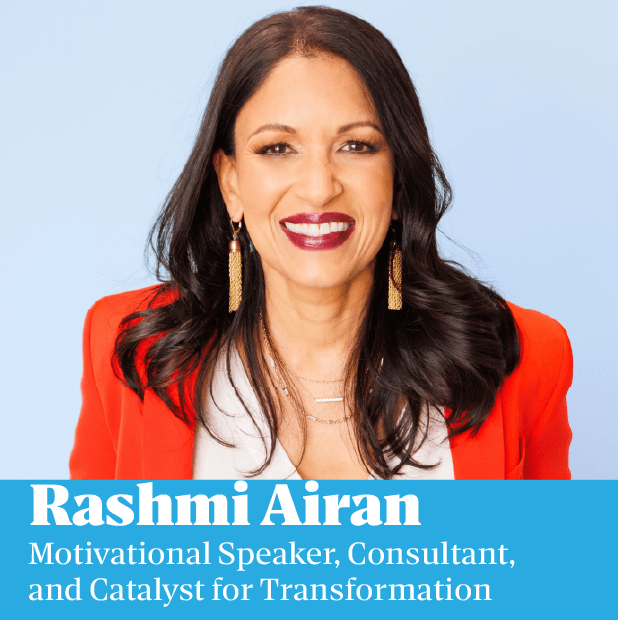
- Anchor to purpose, not responsibility. Employees see their role as more than a job when leaders tie daily tasks to mission. Rashmi Airan’s Dharma Leadership framework shifts focus from “what we do” to “who we are,” a hard but necessary reset turning disengagement into meaning-driven performance.
- Lead with humanity and humor. Connection isn’t built in quarterly surveys; it’s built in everyday conversations. Lois Barth’s approach of behavioral wellness and professional development blends brain science, storytelling, and levity to help leaders communicate in ways that disarm stress and deepen trust.

- Make leadership approachable. The fastest way to rebuild connection is to make leaders relatable. Jose Flores’ work on corporate unity shows how leaders who are visible, open, and heart-centered inspire employees to stay engaged, take initiative, and feel like part of a shared mission.

- Create environments where honesty is safe. When people feel they can speak openly without fear of backlash, they’re more likely to share ideas, raise concerns, and invest in the team’s success. Trust grows where transparency is encouraged and modeled from the top.
Practical moves to start now
- Reframe 1:1s as connection check-ins, not just status updates. For example, ask “What’s one thing you’ve learned this month?” before diving into metrics.
- Reintroduce your mission statement, in plain language, talking through how the mission is tied to daily work.
- Spotlight the “how” as much as the “what.” Recognize behaviors building culture, not just outcomes hitting KPIs.
- Host connection micro-moments of connection: short, high-impact exchanges where leaders share stories, admit challenges, and connect across levels.
- Equip leaders with curiosity tools like questions, prompts, and listening skills to make clear what employees actually need to thrive.