Author: Nathan Morales, Organizational Belonging Consultant
Every organization tells a story about its people — through data, categories, policies, and platforms. The question is: Do those stories create opportunity? Or do they quietly reinforce gaps?
Sociologist and professor G. Cristina Mora’s research shows that labels like “Hispanic” and “Latino” weren’t born organically from communities—they were constructed by media, government, and advocacy institutions to quantify and mobilize Latin American populations. Her work challenges us to ask: Who defines identity at work—and how does that framing impact access, belonging, and advancement?
For companies today, the takeaway is clear: language isn’t neutral. The way you frame identity, success, and belonging directly influences who gets seen, heard, and advanced. If you want equity, you have to start with the story.
Why this matters
- Narrative shapes opportunity. How organizations frame Latinx identity—on career sites, in ERG descriptions, or in leadership messaging—signals what (and who) is valued. (Related: Aligning Company Culture Through Media)
- Visibility drives mobility. Employees who see their stories reflected in the company’s voice are more likely to see themselves as future leaders.
- Data is cultural, too. As Dr. Mora’s Making Hispanics shows, categories shape reality. Be intentional about how you define and report on representation—it has real-world consequences.
How leading organizations are using narrative to drive equity
1. Invest in storytelling as a leadership skill.
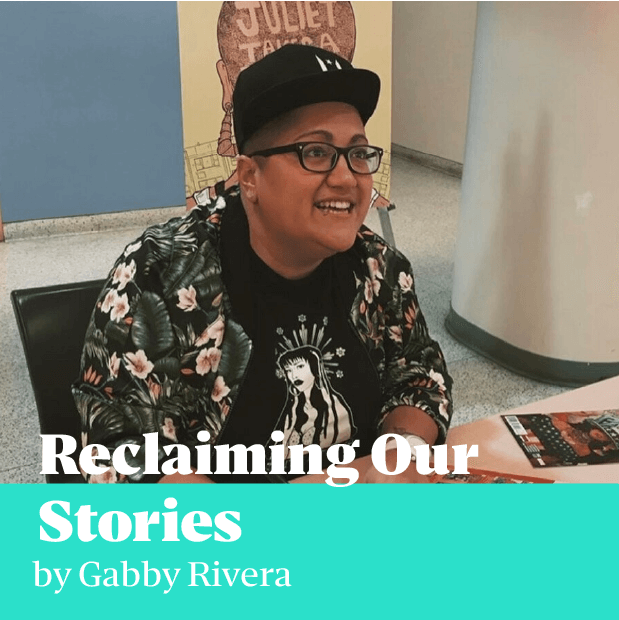
Effective leaders today don’t just execute—they communicate. Sessions like Reclaiming Our Stories by Gabby Rivera help teams connect their voice to impact, making space for authenticity and inclusion across levels.
2. Reframe internal definitions of success.
What gets rewarded sends a message. Are your advancement frameworks inclusive of different cultural norms? Programs like Accelerating Latinas and Other Women of Color into Leadership and Wealth-Creation Spaces by Dr. Valeria Aloe uncover the unspoken barriers—and build new pathways forward.

3. Make identity a strength in self-advocacy.
Help employees develop the language to share their story, their value, and their goals. In Own Your Story: Your Signature Pitch, Dr. Esther Zeledon equips participants with the tools to speak confidently in leadership spaces.

4. Align narrative with infrastructure.
Don’t just update the messaging—update the systems. Build structures where equity isn’t aspirational, but operational. That means auditing data practices, performance frameworks, and cultural assumptions built into your comms.