
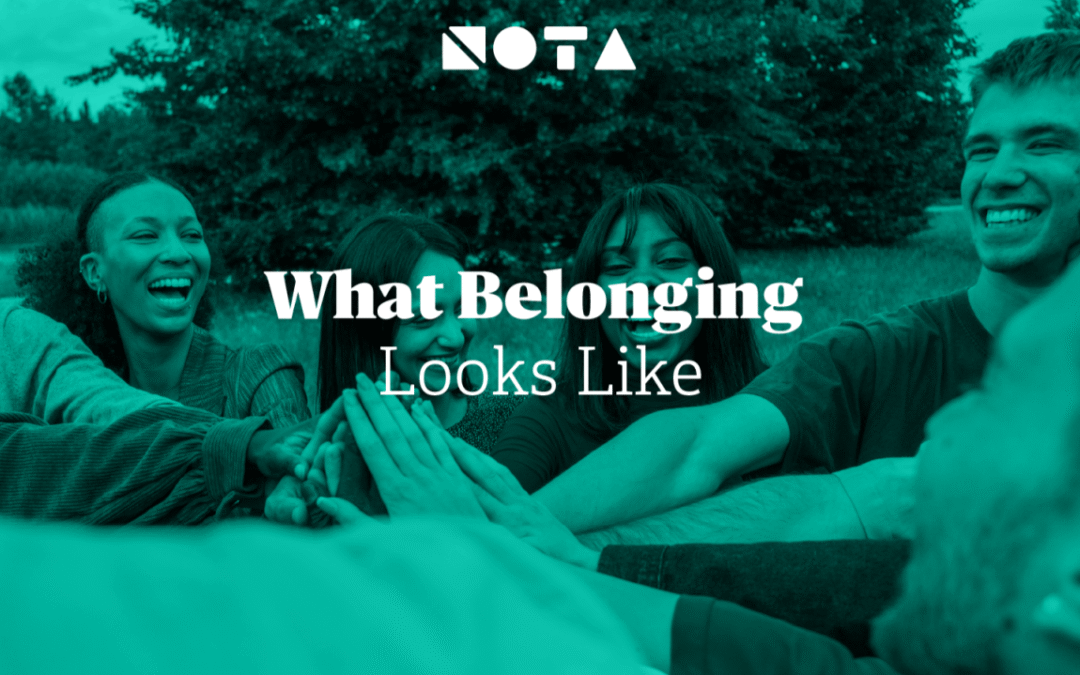
Too often, conversations about belonging feel polished yet distant. We hear about belonging but without the awkward pauses, missed cues, or silent exclusions shaping so many’s daily experience.
Belonging isn’t a tidy, boxed-up solution. It’s dynamic, sometimes difficult, and always deeply human. That complexity is where the real work begins.
Organizations investing in belonging-centric design don’t just boost morale; they build teams to weather uncertainty, innovate across difference, and lead with complexity in mind. The best part? You don’t need to wait for a budget overhaul to start.
Here’s what belonging can look like in practice and how to unlock it.
Belonging is built, not bestowed
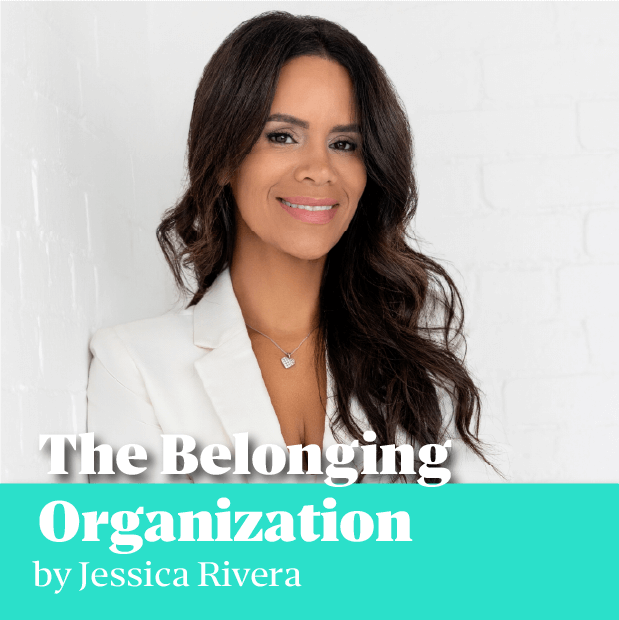
- Belonging is behavioral. It shows up in who gets listened to, who gets interrupted, who gets praised in meetings and who gets left off the invite. Jessica Rivera’s The Belonging Organization teaches five concrete behaviors leaders can practice daily to foster inclusive team cultures.
- Authenticity is a strategy. Karina Martinez’s Messy, Magical, and Mine reminds us leadership doesn’t require fitting a mold. Her story challenges the myth of the “professional ideal” and shows how embracing full identities—queer, neurodivergent, and culturally rooted—drives stronger, more durable leadership.

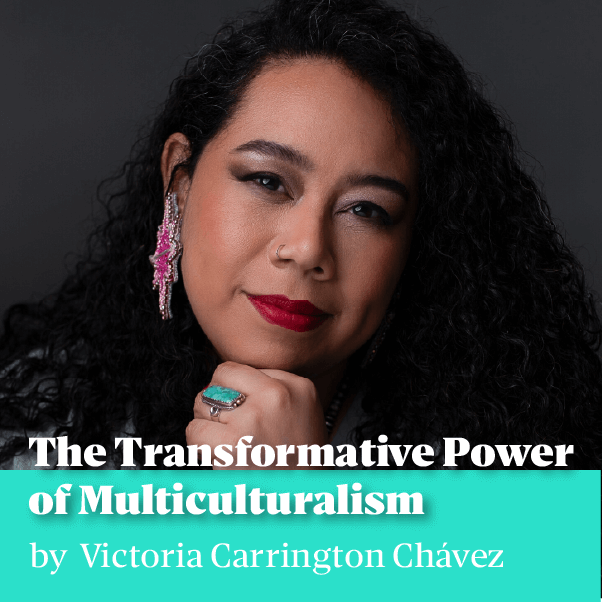
- Cultural fluency expands our thinking. Victoria Carrington Chávez’s The Transformative Power of Multiculturalism illustrates how identity is a resource to harness, not an obstacle to navigate. Her creative storytelling and branding expertise show teams how to move beyond checkbox inclusion toward real resonance.
- History shapes the present. Dr. Pablo Mitchell’s work in Latine history and multiracial identity makes one thing clear: you can’t design for the future of inclusion without understanding its past. His lectures and digital history projects offer invaluable context for the stories your workplace hasn’t yet told.

Design tactics for belonging-centric teams
- Try a belonging lab. Use a one-hour team session to map recent wins, misunderstandings, and missed contributions. Let people name what belonging felt like and when it slipped.
- Build multicultural fluency into onboarding. Help new hires learn how your culture values difference over the status quo.
- Encourage connection, not perfection. Host a story swap over lunch. Make space for teammates to share one thing that shaped their week. These small rituals build trust faster than another tool ever could.
- Reward narrative leadership. Recognize people who model transparency, bring in context, and surface unheard stories.
Belonging isn’t the cherry on top of culture. It’s the architecture of trust, adaptability, and growth. Want to see what it looks like when your people feel seen and your leaders build from complexity, not despite it?
Browse our latest speakers and workshops on belonging to make culture real.