Supporting Gen Z today builds the leaders you’ll need tomorrow.
They’re not just new to the workforce—they’re redefining it. Gen Z is fast becoming the largest segment of early-career professionals, and their expectations are reshaping how organizations attract, retain, and grow talent.
But here’s the challenge: many Gen Z-ers say they feel underprepared, unsupported, or disconnected at work. The fix isn’t just more feedback—it’s also mentorship. And not the kind buried in HR portals. We’re talking real, intentional relationships driving performance and preparing your future leaders now.
Done right, mentorship doesn’t just benefit Gen Z. It strengthens leadership pipelines, accelerates learning, improves engagement, and builds multigenerational cohesion across teams.
Why this matters for business
- Gen Z expects investment. Studies show Gen Z-ers prioritize growth, feedback, and values-aligned leadership over pay alone. Mentorship meets all three.
- Retention starts with relevance. Employees who receive mentorship are more likely to stay—especially when it feels personalized, not transactional.
- Cross-generational learning improves efficiency. Organizations with strong generational bridges are more agile, more collaborative, and more innovative.
- Related: Small Changes, Big Impact: Data-Driven Ways to Retain Talent
Turning mentorship into ROI
1. Building mentorship into onboarding—not just career stages. Don’t wait until Gen Z employees are managers to introduce them to mentors. Make peer and leader mentorship part of day one.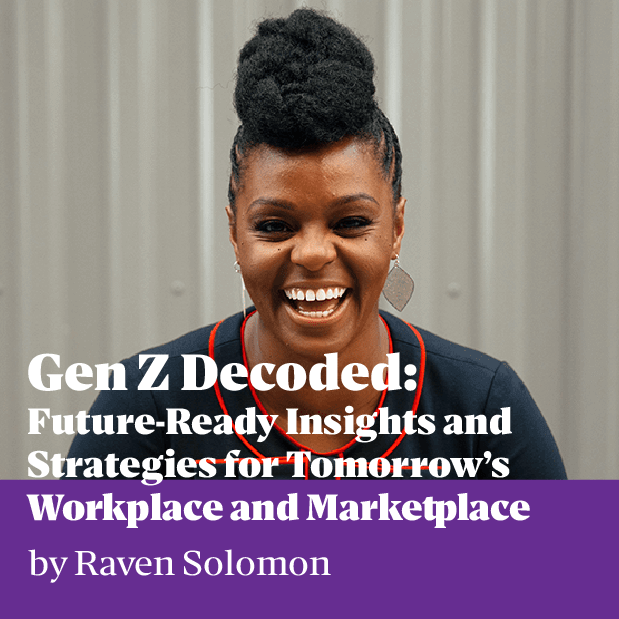
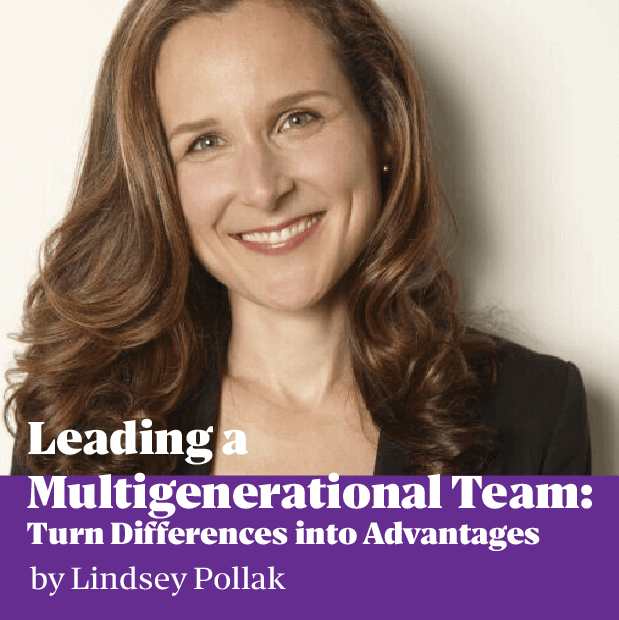
2. Training leaders to navigate generational difference. Mentorship can’t succeed if leaders don’t understand who they’re mentoring. Equip mentors with generational fluency to build trust, not tension.
3. Centering shared values, not assumed traits. Gen Z is diverse in identity and thought. Assumptions fail—empathy and curiosity win.

4. Making mentorship measurable. Track participation, satisfaction, and outcomes of mentorship programs. Tie them to performance, retention, and promotion metrics—not just morale.
5. Offering stretch assignments and reverse mentoring. Mentorship doesn’t always mean senior-to-junior. Invite Gen Z to mentor up—sharing tech fluency, cultural insight, and emerging trends to drive innovation.