Asian American and Native Hawaiian Pacific Islander Heritage Month offers a strategic lens for understanding how belonging functions inside modern organizations. This May is the chance to put these perspectives at the forefront of your operations.
As one of the fastest-growing populations in the U.S. workforce, AANHPI professionals bring layered cultural perspectives, global fluency, and lived experiences revealing where systems succeed and stall. Organizations engaging this moment with intention gain practical insight into how belonging becomes a performance system.
Related: Designing for Depth: A Leadership Strategy from AANHPI Heritage Month
Why this matters
Research continues to link belonging with measurable business outcomes. Employees who feel a strong sense of belonging show higher engagement, stronger collaboration, and increased retention. At the same time, AANHPI professionals often navigate invisibility in leadership pipelines and simplified narratives limiting how their contributions are understood. This gap invites missed opportunities for organizations aiming to operate with precision in talent strategy and culture design.
Belonging, viewed through the AANHPI experience, becomes a signal for how effectively an organization translates identity into performance—showing up in communication clarity, decision-making quality, team cohesion, and more. Organizations seeking to build this alignment level increasingly turn to partners connecting cultural insight with business outcomes. NOTA Inclusion plays a central role in this work, helping organizations design targeted programming and connect speakers who translate lived experience into actionable strategy.
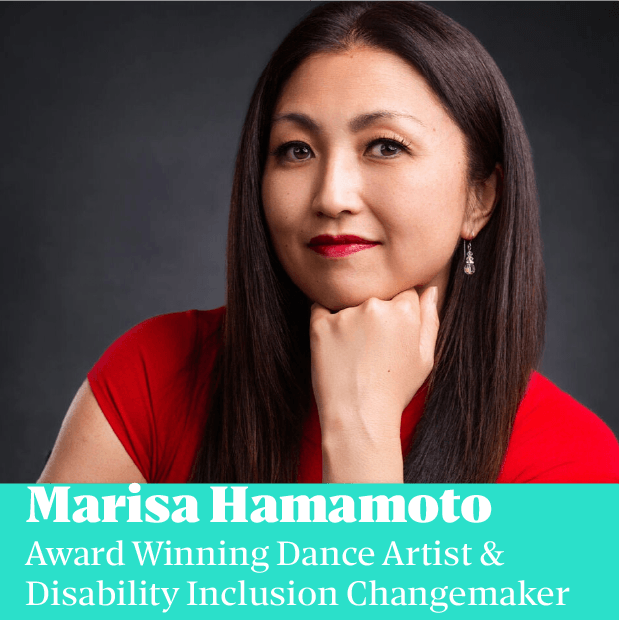
- Operationalize cultural nuance in decision-making frameworks. Organizations embed cultural context directly into how decisions get made. Teams introduce a “context check” before major decisions, asking how cultural assumptions may shape interpretation of risk, authority, or communication. This approach reflects the layered identity navigation highlighted in Marisa Hamamoto’s Creating Spaces of Belonging: The Asian American Experience, where understanding unspoken norms strengthens clarity and alignment.

- Track belonging through contribution visibility metrics. Leading companies measure who gets credited, cited, and advanced in real time. This includes analyzing meeting transcripts, project ownership, and recognition patterns to ensure AANHPI employees receive proportional visibility for their work. This method surfaces patterns often hidden by the model minority myth, creating a clearer path to leadership.
- Integrate editorial thinking into internal communications. Organizations redesign internal communications to include editorial context alongside standard updates. Inspired by Nicole Chung’s emphasis on perspective and identity, leadership ensures messages reflect how diverse employee backgrounds and priorities influence organizational interpretation. This creates clearer alignment and ensures employees see themselves in both the language used and the leadership’s strategic goals

- Design “translation-free” collaboration environments. Teams restructure workflows so employees can contribute without adapting their communication style to dominant norms. This includes asynchronous input channels, written-first ideation, and rotating facilitation models. These practices reflect AANHPI experiences of navigating multiple cultural expectations and create more efficient, inclusive collaboration.
- Leverage cultural storytelling as a market intelligence tool. Organizations treat employee storytelling as a direct input into business strategy. Through guided sessions influenced by Matt Ortile’s work in storytelling and identity, companies gather insights on travel, consumption, media, and community behavior across AANHPI audiences. These insights inform product development, brand positioning, and customer engagement strategies