Organizations run on interpretation—every meeting, product decision, hiring discussion, and customer interaction depends on how well people understand one another. Assumptions often step in as shortcuts to fill gaps in our understanding. Organizations strengthening communication capacity are discovering something powerful: when people develop the skill to ask better questions, they produce clearer decisions and stronger partnerships.
In other words, communication built on understanding turns difference into strategic advantage. Leaders recognizing this shift invest in communication practices that strengthen how work really gets done.
Related: Leading Against the Average: Building Plural-Ready Organizations
McKinsey Quarterly makes the case that organizations with strong communication practices build more effective teams, with communication quality playing a central role in how well teams coordinate work and generate value. Organizations which intentionally strengthen how people exchange perspective see measurable gains in execution speed and innovation outcomes because information flows more fully across functions.
This shift also shapes how organizations approach inclusion. Forward-thinking companies increasingly view inclusive communication as a capability to strengthen performance as opposed to a standalone initiative. Partners such as NOTA Inclusion play a critical role here. Organizations looking to operationalize these ideas benefit from partners who translate insight into practical programs and connect leaders with speakers who bring both credibility and application. The right voice often accelerates internal momentum because it gives language and structure to challenges organizations already recognize.

- Building question-centered meeting protocols. Leadership teams can open strategic discussions with structured inquiry rounds where participants raise context before solutions. This reflects Scott Shigeoka’s practices where curiosity becomes a practical leadership discipline strengthening relational clarity.
- Introducing perspective briefings before major decisions. Organizations invite employees to submit short written context statements explaining how initiatives may land across different communities, regions, or customer groups. This practice strengthens foresight while expanding collective awareness.
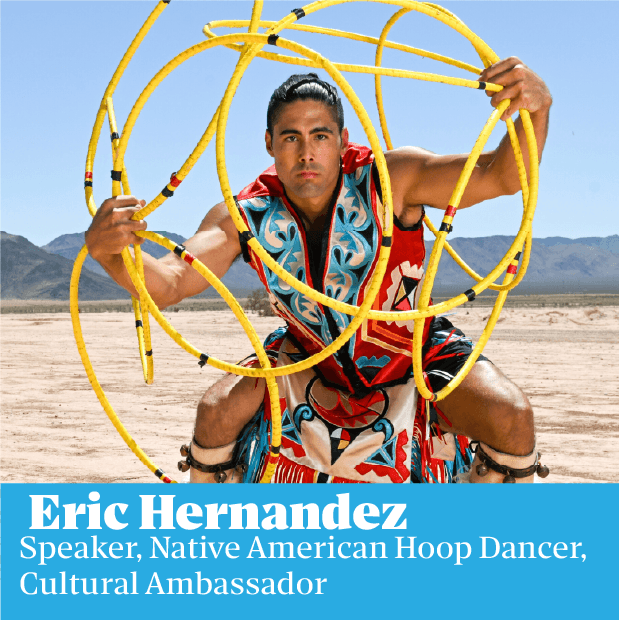
- Using cultural storytelling to strengthen communication range. Companies may incorporate learning experiences similar to Eric Hernandez’s cultural presentations, where storytelling traditions such as Native hoop dance demonstrate how narrative builds shared understanding across difference (perhaps manifested through an ERG).

- Designing communication charters around cognitive diversity. Some organizations might adopt practices inspired by Haley Moss’s Neurodiversity: Leveling Up Our Perspective, to help teams normalize different processing styles through practices like advance agendas, visual summaries, and written reflection channels. These expand how people contribute insight.
- Tracking assumption points in project lifecycles. Project teams identify moments where interpretation shapes outcomes, such as requirements gathering or customer research translation. Teams then introduce structured clarification checkpoints to strengthen alignment before accelerating execution