Since 2020, organizations underwent a permanent expansion in perspectives showing up at work. Employees formed new expectations about flexibility, authority, well-being, information, and identity during a period forcing them to reassess how they live and work. Those shifts now show up in how teams make decisions and define effective leadership.
This increased perspective range changes how organizations operate. Teams with varied viewpoints surface risks earlier and identify opportunities homogeneous groups often miss. Today’s successful organizations recognize this shift and build leadership practices treating difference as “decision intelligence” rather than team dynamics challenges.
Related: Leading Against the Average: Building Plural-Ready Organizations
The Boston Consulting Group found companies with more diverse management teams report higher innovation revenue, especially when different perspectives are actively included in how decisions get made. That matters in a business climate where adaptability, trust, speed, and more increasingly shape performance.
Organizations aware of this opportunity still need the right frameworks and voices to act on it. That is where partners like NOTA Inclusion matter—to build leadership programs and find speakers who help teams translate difference into stronger communication, better decisions, and healthier workplace dynamics.
Why this matters
The Harvard Business Review argues companies borrowing insights from outside their sector generate significantly higher breakthrough outcomes than peers relying solely on internal expertise. Ideas travel farther when leaders actively expose teams to unfamiliar perspectives and intellectual frameworks.
The challenge for most lies in access: identifying credible voices who translate complex fields into practical insights takes time and careful curation. NOTA Inclusion helps companies close gaps by designing leadership programs and connecting teams with speakers whose expertise bridges industries, disciplines, and lived experience. These sessions help organizations surface hidden dynamics influencing strategy, culture, and innovation to convert insight into action

Track whose ideas move. Some organizations study which ideas make it from conversation into execution. This reveals where influence gathers and where perspective gets overlooked. Laura Liswood’s session The Loudest Duck helps leaders recognize how assumptions shape who gets heard and whose contributions move forward

Prepare leaders to navigate narrative. Teams are increasingly affected by the media environments people bring with them into work. Eric Deggans and his framework on cultural decoding helps leaders strengthen their ability to guide thoughtful conversations in a climate shaped by competing interpretations.
- Add perspective prompts to decision briefs. Some strategy teams require proposals to include how a decision may land across functions, identities, or stakeholder groups. This simple shift expands visibility before choices harden.
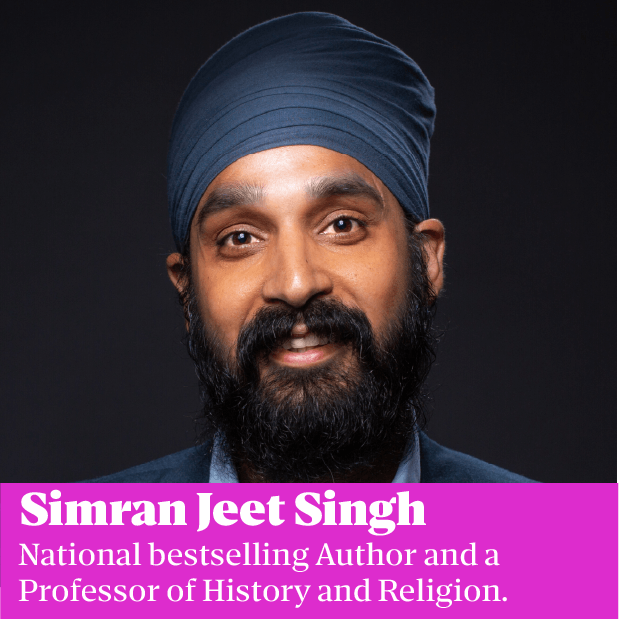
- Build stronger solidarity habits. Introduce simple relational practices like structured peer support commitments following difficult conversations. Simran Jeet Singh’s talk on Reframing Allyship and Solidarity helps organizations move allyship into daily practice, giving leaders practical ways to deepen trust and strengthen social cohesion through consistent, values-driven action.
- Use rotating context partners. Some leaders pair with rotating colleagues from different functions or backgrounds before major decisions. These short exchanges widen perspective and improve judgment without slowing momentum.