Speed is the dominant language of modern work. In hybrid meetings or product launches, acceleration signals competence. The faster a team responds and ships, the more it appears aligned with the future.
But complexity rewards discernment. Leaders navigating algorithmic bias and generational workforce shifts face decisions requiring depth alongside momentum. If everything moves quickly, discernment is the key differentiator.
This year’s AANHPI Heritage Month offers a timely lens: traditions treating time as a collaborator for mastery point toward a steadier, more strategic path forward.
Related: AI Power with a Human Touch: Leading the Human Future
Why this matters
Research shows rapid judgments rely heavily on automatic mental shortcuts. Under time pressure, pattern recognition increases while nuanced evaluation decreases. In high-stakes environments, this affects hiring decisions, product strategy, risk assessment, capital allocation, and more.
At the same time, psychological research links chronic urgency to elevated cortisol and reduced executive function. Leaders operating in constant acceleration experience narrower thinking and diminished creativity over time.
This means organizations designed for strategic depth gain measurable advantages. They produce stronger innovation, higher-quality decisions, and more sustainable performance outcomes. NOTA Inclusion partners with companies ready to build this capability by connecting them with expert speakers and designing programming integrating cognitive science, performance health, and cultural intelligence into real operational strategy.
What organizations can do
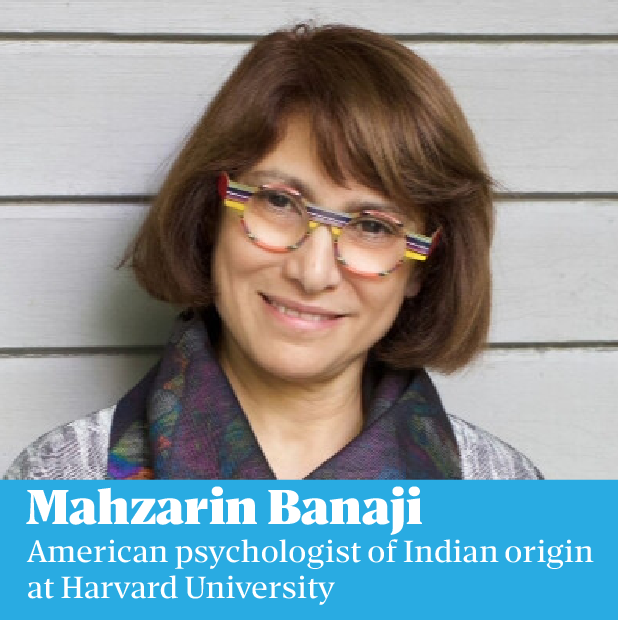
- Institute decision windows. Professor Mahzarin Banaji’s expertise with implicit cognition enables high-performing teams to separate idea generation from final decision cycles. Leaders allow proposals to sit for a defined reflection period before capital allocation, strengthening judgment quality and reducing bias activation

- Build mastery tracks alongside growth tracks. Elevate deep expertise by rewarding long-term skill refinement as much as rapid promotion. This fosters intellectual rigor and institutional knowledge retention.
- Design energy calibration before strategy sessions. Executive teams integrate brief physiological resets prior to major planning conversations. Dr. Kien Vuu’s Thrive State reinforces how regulated biology expands cognitive flexibility and decision clarity.
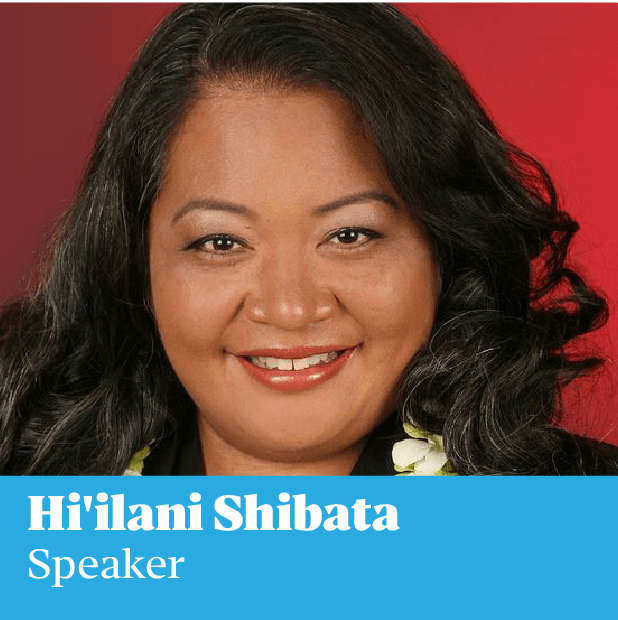
- Align planning cycles with natural cadence. Some companies structure quarterly strategy conversations around intentional phases of reflection, action, and integration. Hi’ilani Shibata’s praxis offers frameworks rooted in cyclical awareness to enhance collective focus and relational accountability.
- Measure depth as a performance indicator. Forward-thinking firms track error reduction, innovation durability, and leader retention as signals of strategic depth. These metrics reinforce how thoughtful execution strengthens ROI over time.